This is an account of a six-month pilot trial on a spring-calving dairy operation in the Warrnambool region of western Victoria. The farm had been using 3-axis activity collars for two seasons before the trial began, with alerts generated by the collar manufacturer's own detection software. The core question of the trial was whether adding per-cow cycle history to that collar data, via Ovum's individual baseline model, would change detection accuracy and downstream conception outcomes compared to the population-threshold detection the farm was already running.
We are sharing the pattern and numbers here because they illustrate something we see repeatedly in farms that transition from population-based to individual-calibrated detection. The specific figures below reflect one trial herd over one joining season. They are not a guarantee of outcomes for any other operation, and the contributing factors in any given herd vary enough that another 380-cow farm would not automatically replicate these results. With that caveat stated, the mechanism driving the improvement generalises: individual baselines reduce false negatives in low-expressor cows, and that reduction is where most of the detection gain comes from.
The Herd and the Baseline Problem
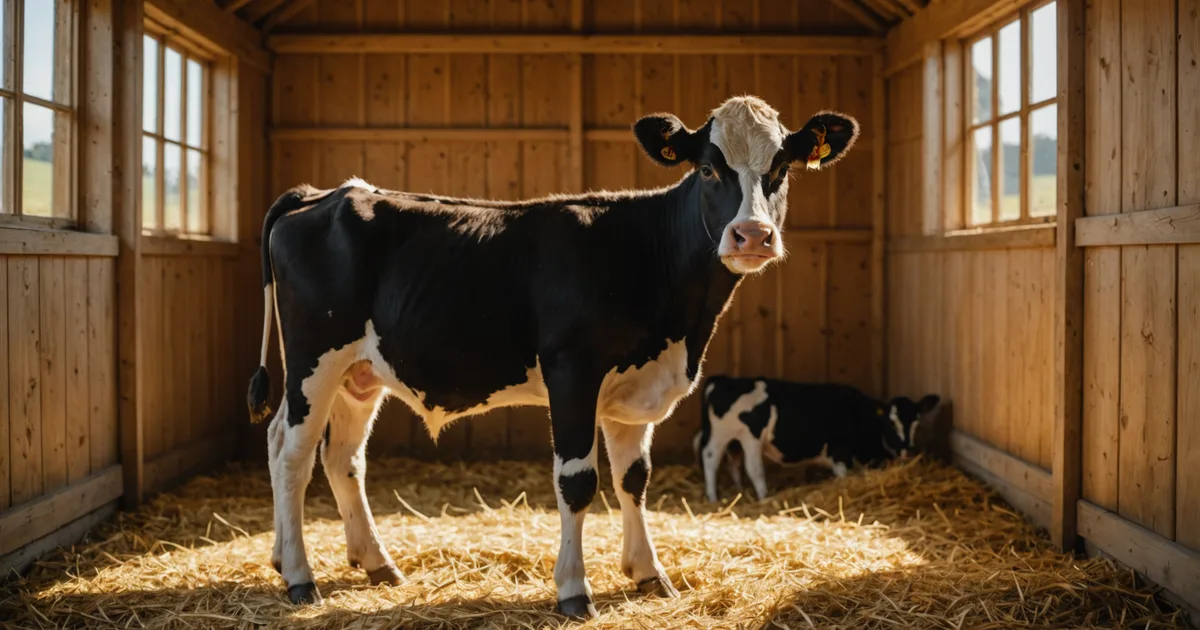
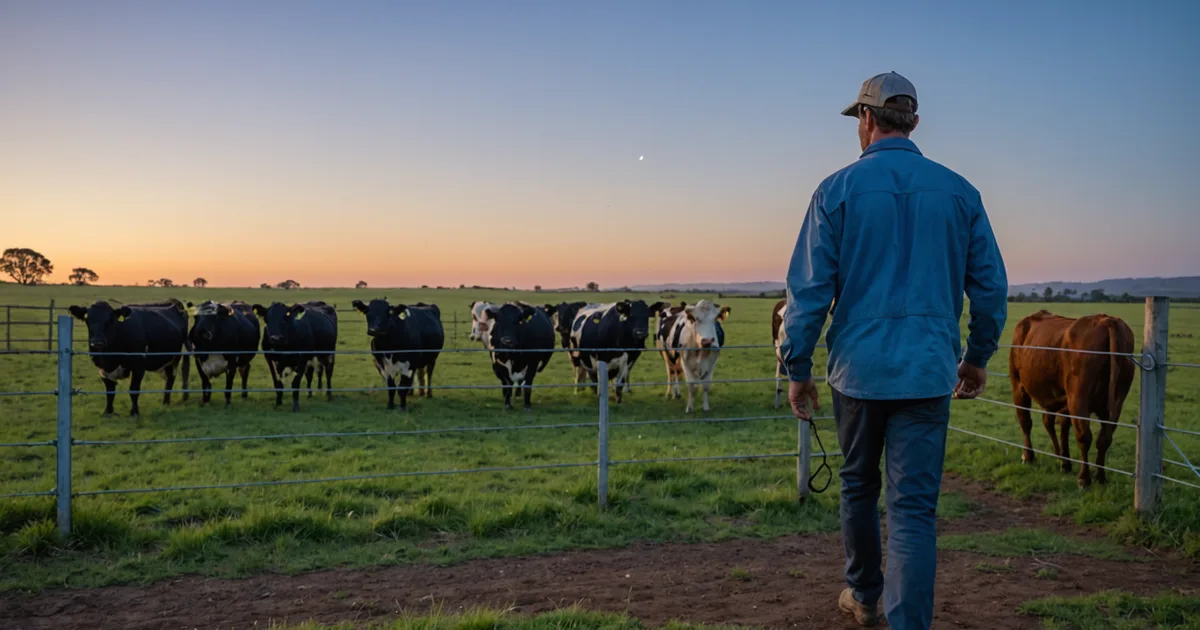
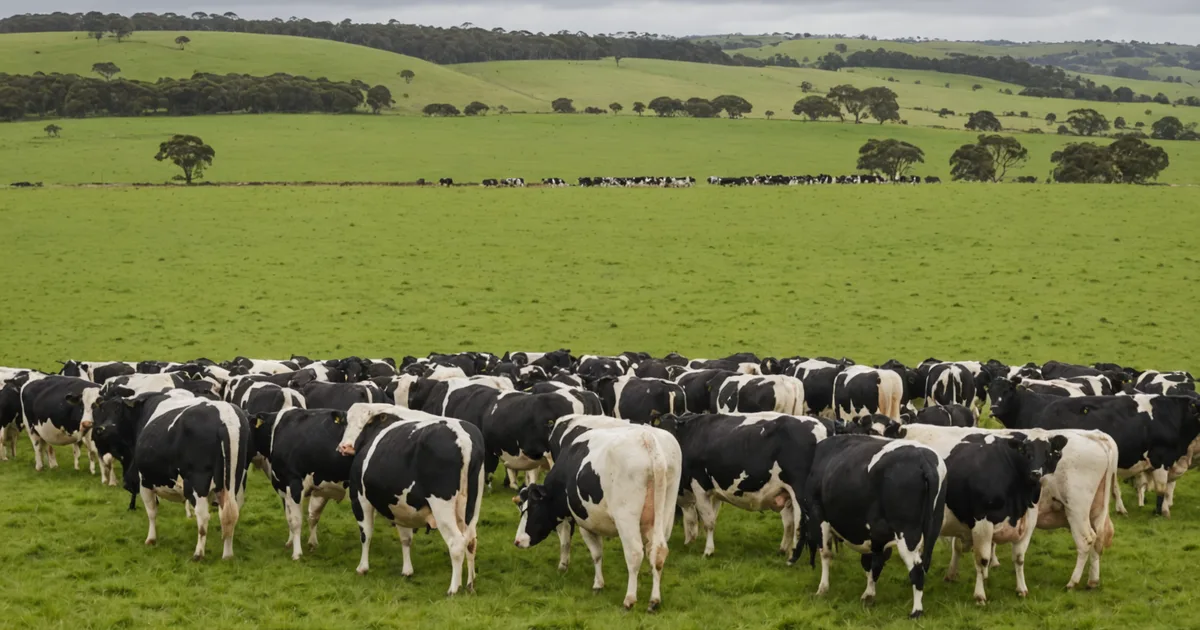
The operation runs spring-calving Holsteins and Friesian-cross animals across 620 hectares of improved pasture. Joining began in mid-October in the trial year, targeting a 10-week mating window aligned with the spring pasture growth peak. The farm had invested in collar hardware across the previous season and had collar coverage on approximately 85% of the milking herd at the time of the trial.
Before the trial, the farm's A.I. technician used the collar system's standard alerts and supplemented them with twice-daily paddock observation during joining. The reported overall conception rate for the previous joining season was 52%, measured as the proportion of all A.I. services that resulted in a confirmed pregnancy at first preg check around six weeks post-insemination. First-service conception rate was approximately 48%. These figures sit below what the farm considered achievable and below the average reported for comparable VIC herds in DairyBase data from the same period.
The primary hypothesis going into the trial was that a subset of cows was generating false negatives under the population threshold: their oestrus activity spikes were real but sitting below the threshold calibrated to a herd average, causing them to miss alert generation and go uninsseminated for one or more extra cycles. This is a well-documented pattern in Holstein-dominant herds where variance in oestrus expression is high between individual animals.
What Changed: Per-Cow Calibration Over the First Four Weeks
During the four weeks before joining opened, Ovum ran in observation mode on the herd's existing collar data. For each cow, it built an individual activity baseline covering normal daily movement variation, milking-related activity spikes, and any prior oestrus events that occurred during the observation period. For cows with two or more A.I. attempt dates in their records from the previous season, the system was able to calculate an estimated inter-oestrus interval and confidence-weight the first prediction from that individual's history.
The observation period identified 47 cows in the herd as likely low-expressors. These were animals whose activity data showed a detectable but below-population-threshold spike on dates that corresponded to observed return-to-service events in the farm's existing records. Under the previous detection protocol, these cows would have been inseminated only if observed in standing heat visually or if an alert fired. Under individual calibration, their personal threshold was set closer to their own historical baseline rather than the herd average, making their oestrus spikes detectable to the system.
Joining Period Results: Weeks 1 to 10
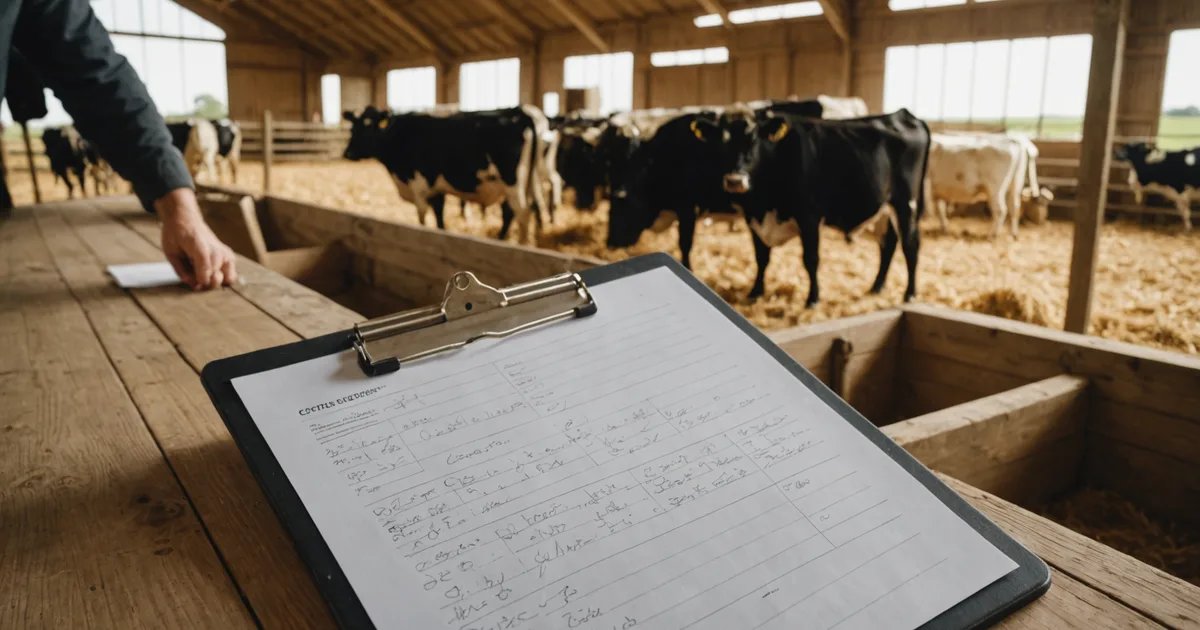
During the 10-week joining window, the farm tracked submission rate, first-service conception rate, and overall conception rate against the prior season's figures. The farm's A.I. technician recorded insemination dates and outcomes on each cow, and preg check results were entered at the six-week and ten-week post-joining marks.
Submission rate in weeks one and two of joining reached 91% of eligible cows per cycle, compared to 74% in the equivalent period of the prior season. This difference was concentrated in the low-expressor cohort identified during the observation phase. Of the 47 cows flagged as likely low-expressors, 44 were submitted in their first eligible cycle of joining, compared to an estimated 28 to 31 of that same cohort in the prior season based on the farm's records.
Missed heat events, defined as cows that returned to oestrus 21 days after a submission opportunity without having been inseminated, dropped by approximately 41% compared to the prior joining season. That figure is the one that most directly reflects the detection improvement.
Conception Rate Outcome
Overall conception rate at the end of the trial joining season, measured at first preg check, came in at 68%. This represents a 16 percentage point increase over the 52% recorded in the prior season under the same herd, same technician, and similar pasture and feeding conditions. First-service conception rate also lifted, from 48% to 61%.
It is important to note what the trial could and could not control for. Body condition at joining was marginally better in the trial year following a wetter-than-average spring, which may have contributed to improved conception rate independent of the detection system. The farm also made minor adjustments to synchronisation protocol for repeat-breeders midway through the joining period. These factors cannot be fully separated from the detection improvement in a field trial setting.
What can be attributed with more confidence to the detection change is the submission rate increase, particularly in the low-expressor cohort. The pathway from higher submission rate to higher conception rate runs through the simple arithmetic of more cows inseminated at optimal timing: even if first-service conception rate per insemination were unchanged, submitting 91% of cows in their first cycle rather than 74% means more cows conceiving earlier in the joining period. The conception rate improvement is at least partially the arithmetic consequence of better submission.
Calving Interval Projection
The farm calculated a projected calving interval improvement based on the trial data. Cows conceived in weeks one and two of joining calve earlier in the subsequent season, generating a longer productive lactation before the next joining window. The projected average calving interval for the trial cohort, assuming similar carry-through performance, was 368 days versus 388 days for the prior season cohort. That 20-day average improvement, across 380 milking cows, represents a significant feed and milk production efficiency gain for the following season.
The farm's working figure for the economic value of one calving interval day, calculated from their own cost structure, was approximately $6.20 per cow. Twenty days across 380 cows projects to roughly $47,000 in annual margin recovery attributable to the calving interval improvement. This is a projection from one trial season, not a confirmed multi-year average, and it should be read in that context.
What the Farm Changed in Its Workflow
Beyond the software, the farm made two operational changes during the trial that the farm manager considers important contributors to the result. First, they moved to a protocol of checking the Ovum alert dashboard each evening rather than only at morning milking. This meant overnight activity spikes, which are more common during summer and pre-heat behaviour phases, were acted on within the morning milking window rather than missed until the evening check 24 hours later. Second, the A.I. technician booked appointments based on the predicted breeding window time rather than the alert fire time alone, using the 12-hour window to time insemination within the optimal sperm-ovum overlap period rather than defaulting to first available appointment.
These workflow changes do not require Ovum specifically. They are good practice for any activity collar system. But the per-cow confidence scores generated by Ovum's individual baseline model gave the technician more to work with when deciding whether to proceed on a marginal alert, particularly for cows in the low-expressor cohort where a standard alert might be borderline.
Limits and What We Are Still Working On
The trial produced a single joining season of data on one herd. We do not have a controlled comparison that isolates individual calibration as the sole variable. We are currently running a more structured observation across multiple herds entering their 2025 to 2026 joining seasons, with a pre/post design that will allow a cleaner assessment of the detection contribution versus concurrent management changes.
We are also looking at the subset of cows where individual calibration did not help: cows that still had missed heats despite being in the system with two or more cycles of calibration data. Preliminary review suggests this group splits roughly into cows with genuine suppressed oestrus expression under heat load (seasonal issue) and cows with underlying health or nutrition issues affecting cycle regularity. Those are not detection problems; they are inputs the detection system cannot fix.
If you are running a herd with activity collar coverage and want to understand whether your current detection system may have a low-expressor false-negative problem, the Ovum observation mode setup takes about 30 minutes and will identify that pattern in your own data within four to six weeks of observation.